Question
Can KatzPascale create an atmosphere so vivid that it survives outside the recording?
Back in March of 2026 I inducted KatzPascale’s song GBTC into the Scroll Stopper Club.
In that episode, I described the music as film noir.
Whiskey.
Cigarette smoke.
Late-night conversations.
A soundtrack for a world that only exists after midnight.
But recordings can lie.
Production can create an illusion that disappears the moment musicians step onto a stage.
So I came to New York with one question.
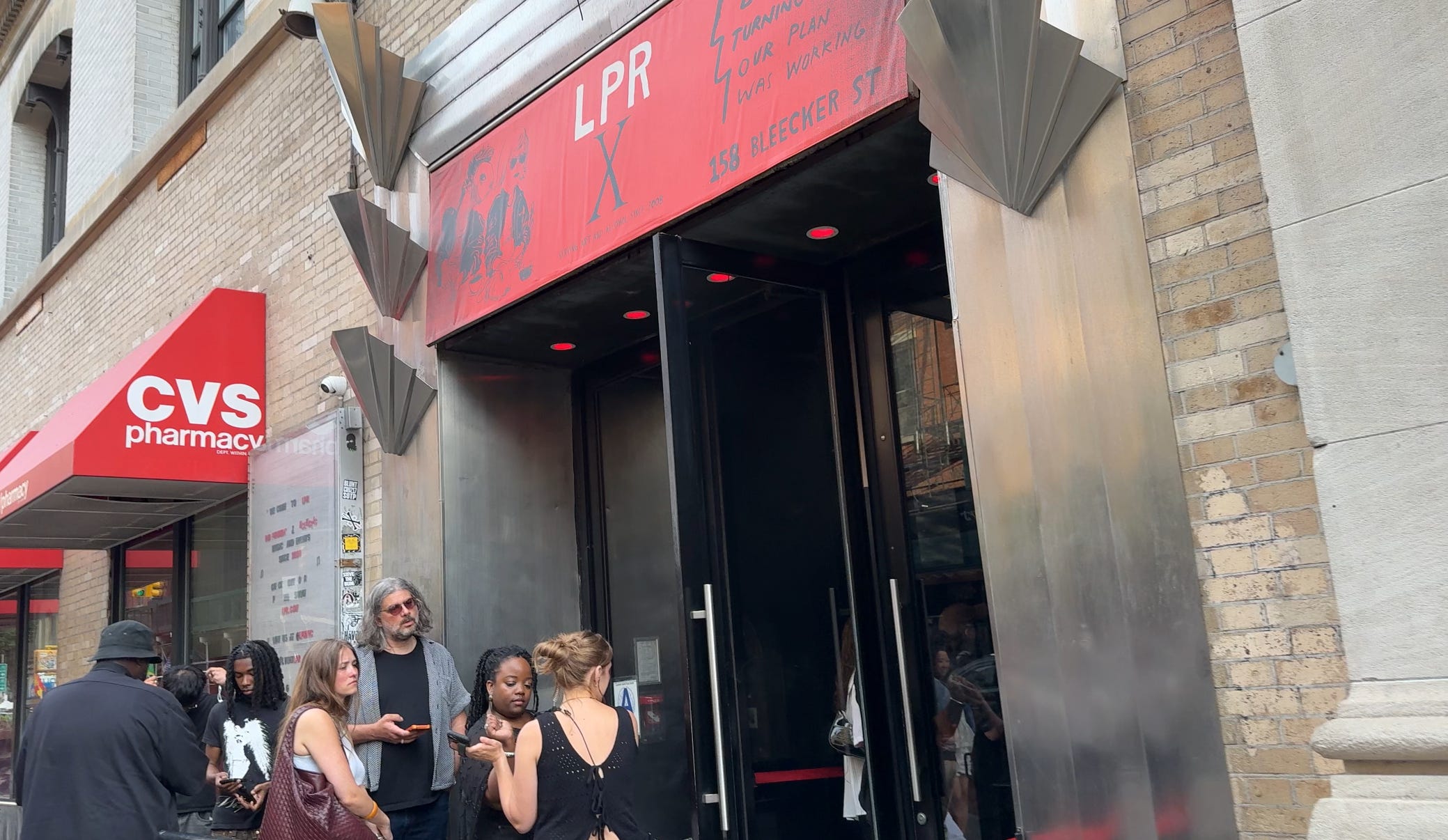
Could KatzPascale create that same atmosphere in a room full of strangers?
That was the investigation.
I wasn’t trying to decide whether KatzPascale was good live. I already suspected they would be. I wanted to know whether the atmosphere I heard through my headphones actually existed… or whether my imagination had filled in the blanks.
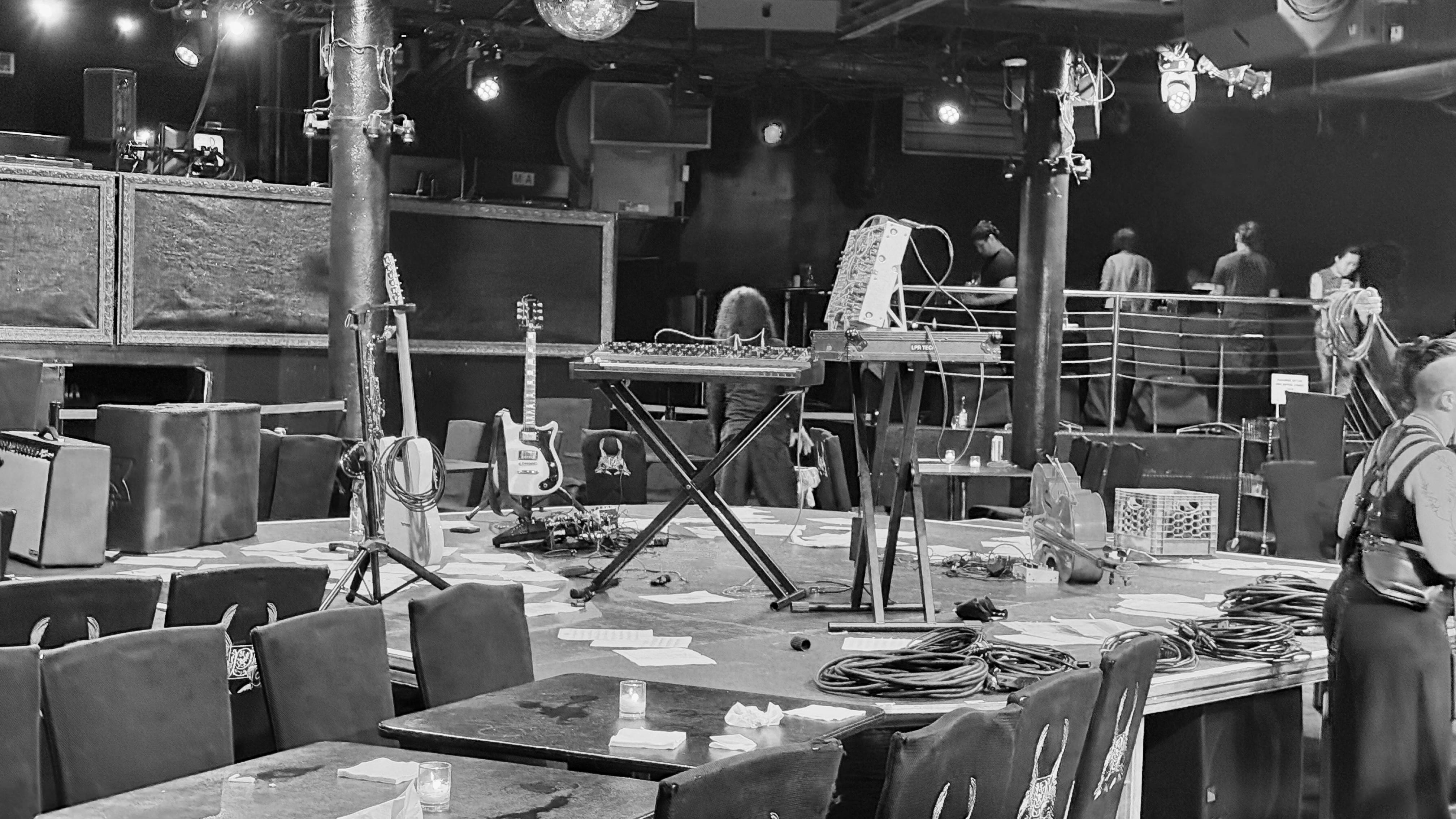
Le Poisson Rouge turned out to be the perfect laboratory.
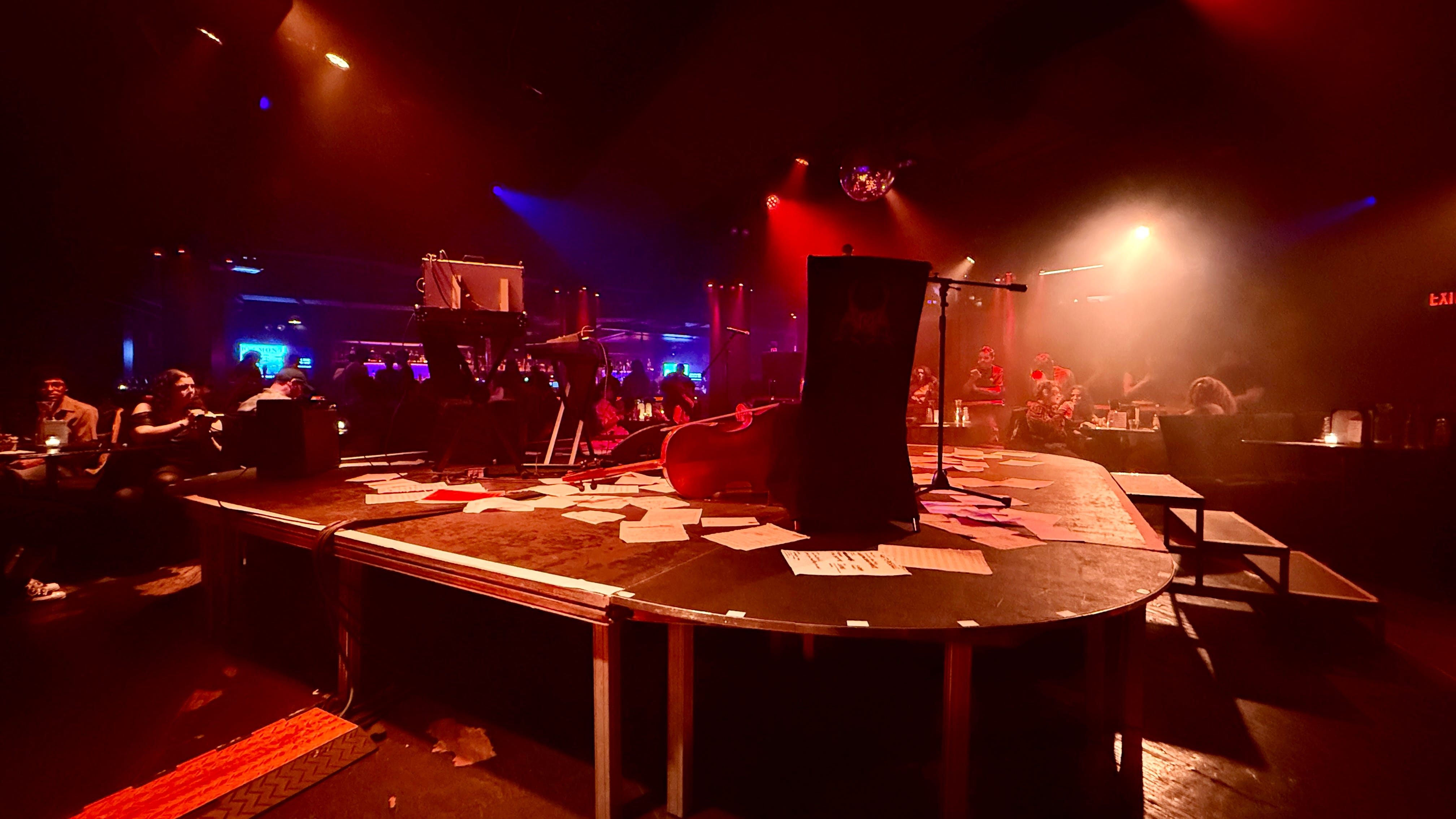
Small tables.
People close enough to become part of the performance instead of simply watching it.
I ended up sharing a table with a 17-year-old from Queens. We discovered KatzPascale the same way—through Instagram. Somehow, the algorithm had delivered the same music to two people nearly forty years apart in age, and on this night, it delivered us to the same table.
It’s one of my favorite things about going to concerts alone.
You never really go alone.
The evening began with DJ Carmen Elektra. Or more accurately… the evening began with music. That distinction turned out to matter. When the lights first dimmed, the room naturally became quiet. Everyone expected someone to walk onto the stage.
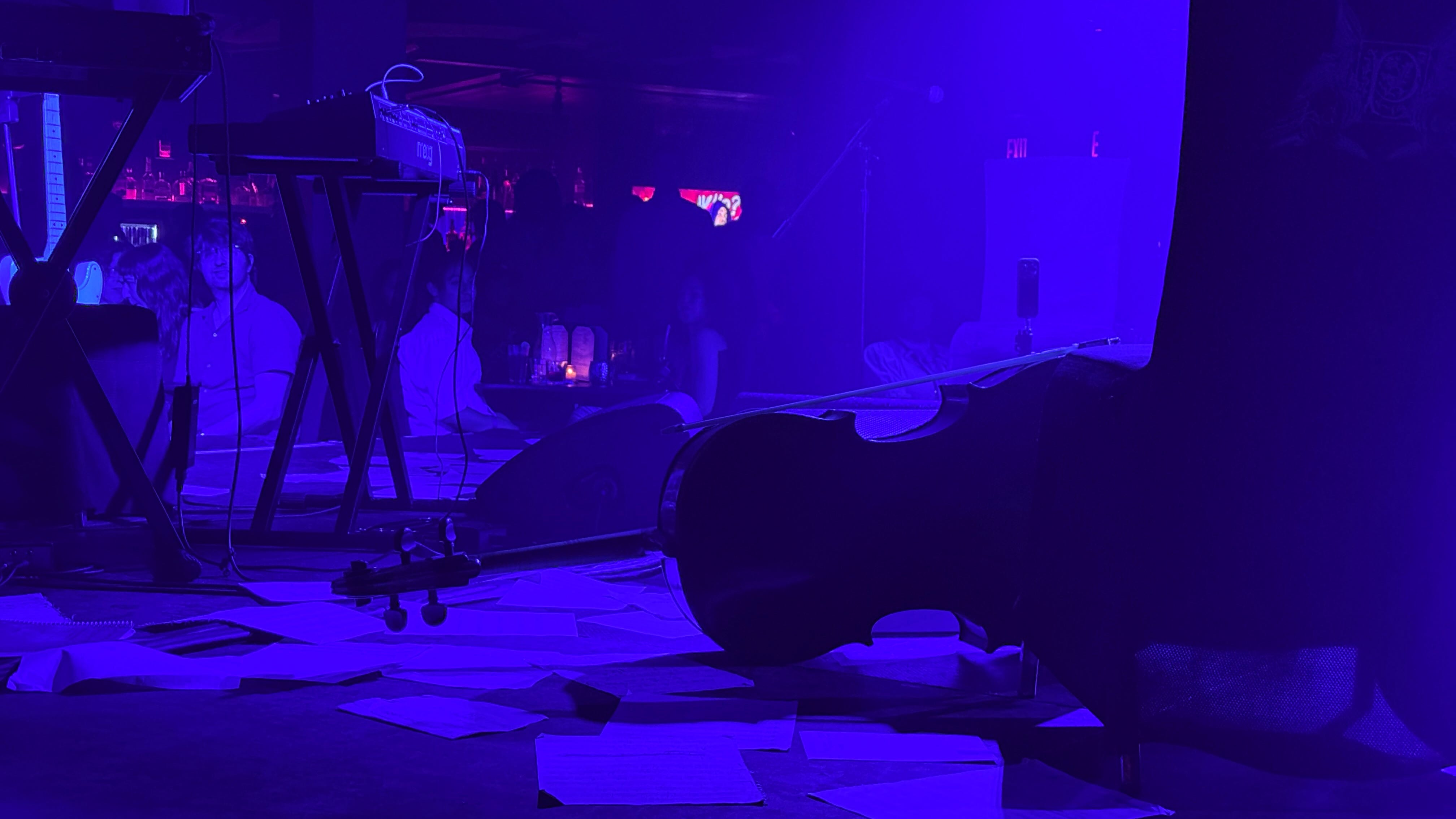
No one did.
The music continued, but the stage stayed empty. The show was advertised as featuring special guests DJ Melody English and DJ Carmen Elektra, yet without anyone visible performing, it never quite felt like the show had begun.
That’s when I noticed something interesting. As the minutes passed, conversations slowly returned. People weren’t being disrespectful—they were responding to what they were seeing. Or, more accurately, what they weren’t seeing. Without someone visibly creating the music, it gradually stopped feeling like a performance and started feeling like a loud radio playing in the background.
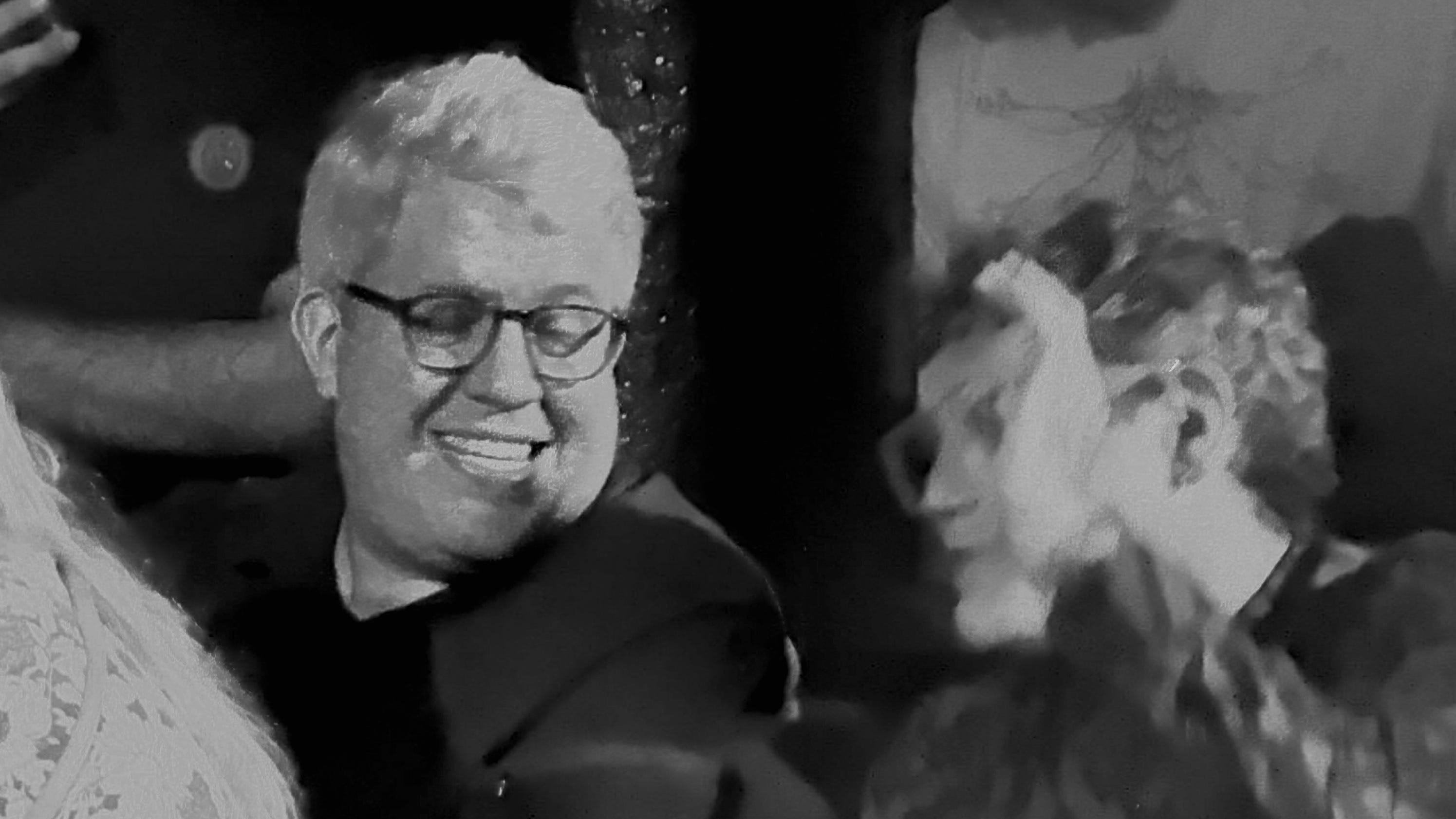
By around 8:30, I think most of the room—including me—was ready for whatever came next. Without realizing it, the DJ had become the control group for my experiment.
When KatzPascale walked on stage, the room changed instantly. Conversations stopped.
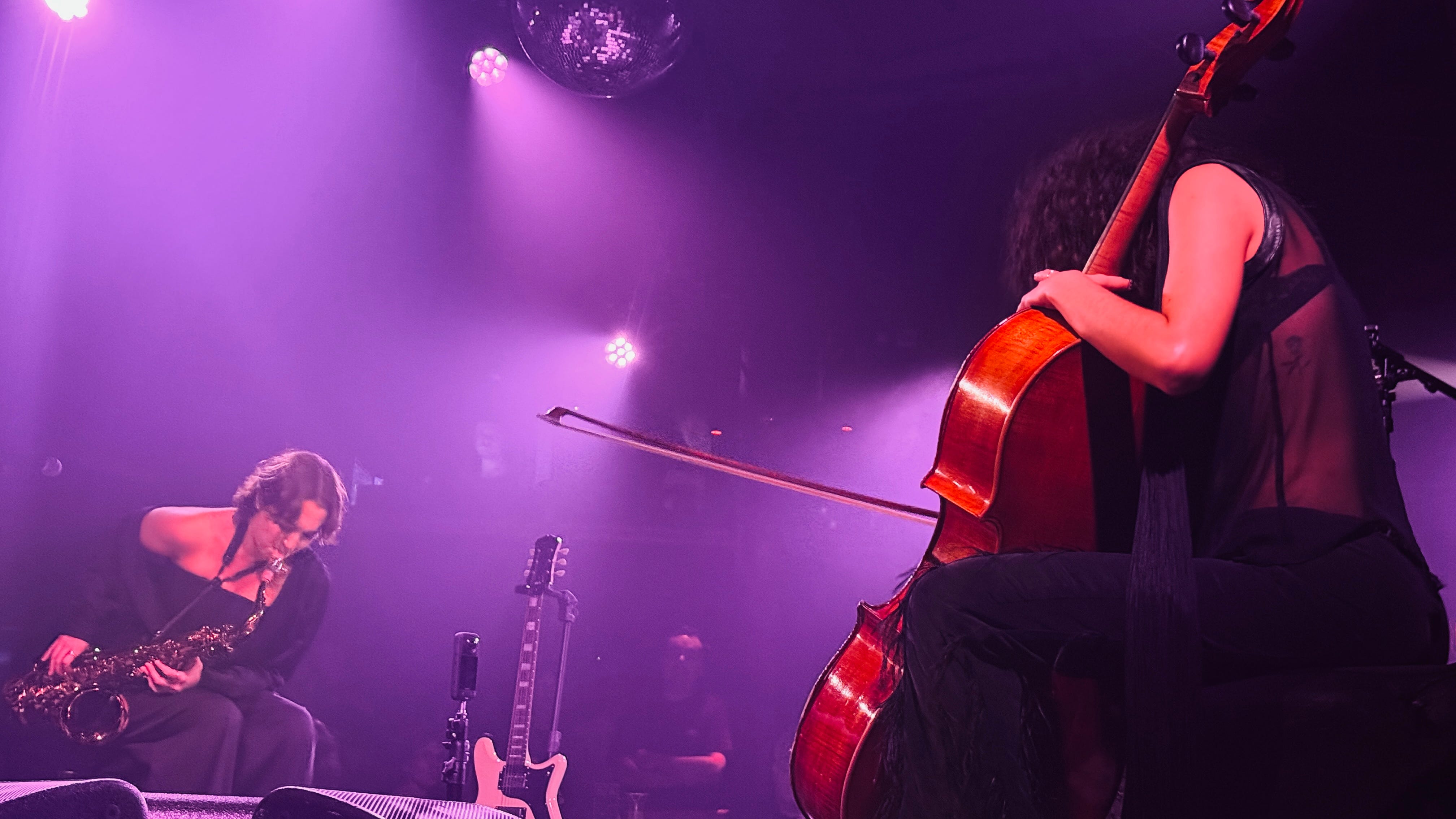
People leaned forward. Some simply stared. The audience wasn’t just quiet. They were in a trance
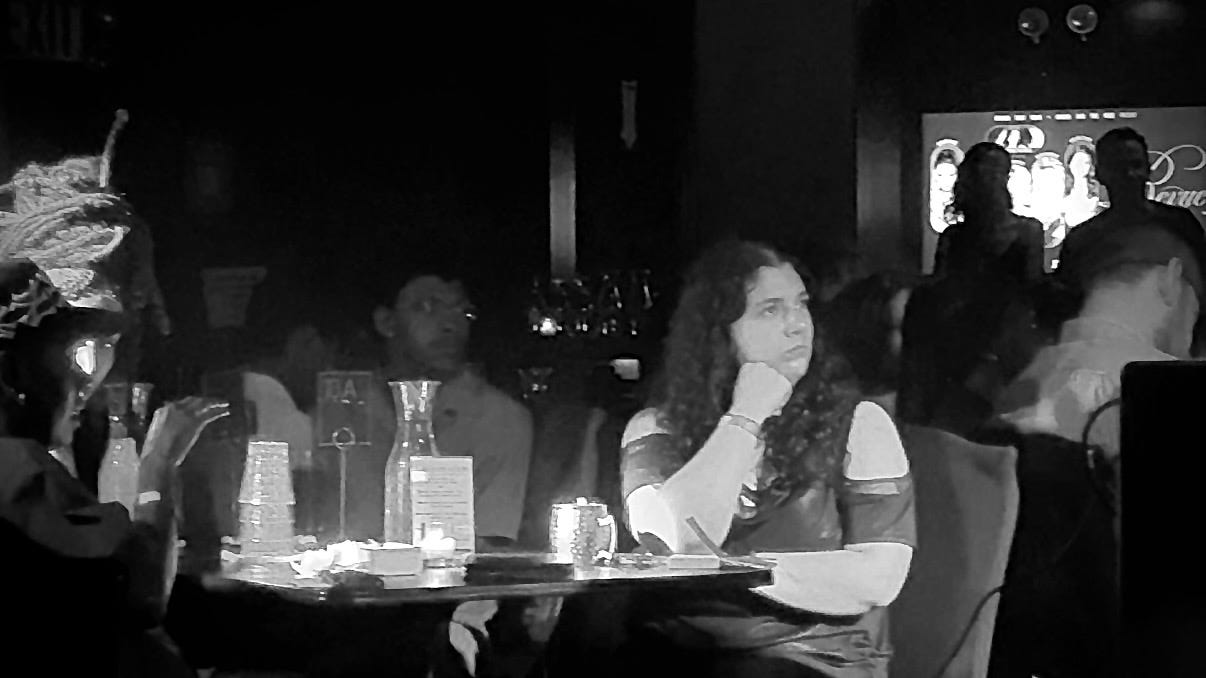
Throughout the performance something fascinating kept happening.
Applause would arrive a second or two late.
Not because people weren’t impressed. Because nobody wanted to be the first person to break whatever spell had settled over the room.
I’ve experienced silence at concerts before.
This wasn’t silence.
It was surrender.
Somewhere around the third song, I stopped taking mental notes and simply let the music happen. That’s usually a good sign.
Then came the moment that completely confirmed my hypothesis. Near the end of the set, KatzPascale announced they had one song left.
The room collectively gasped.
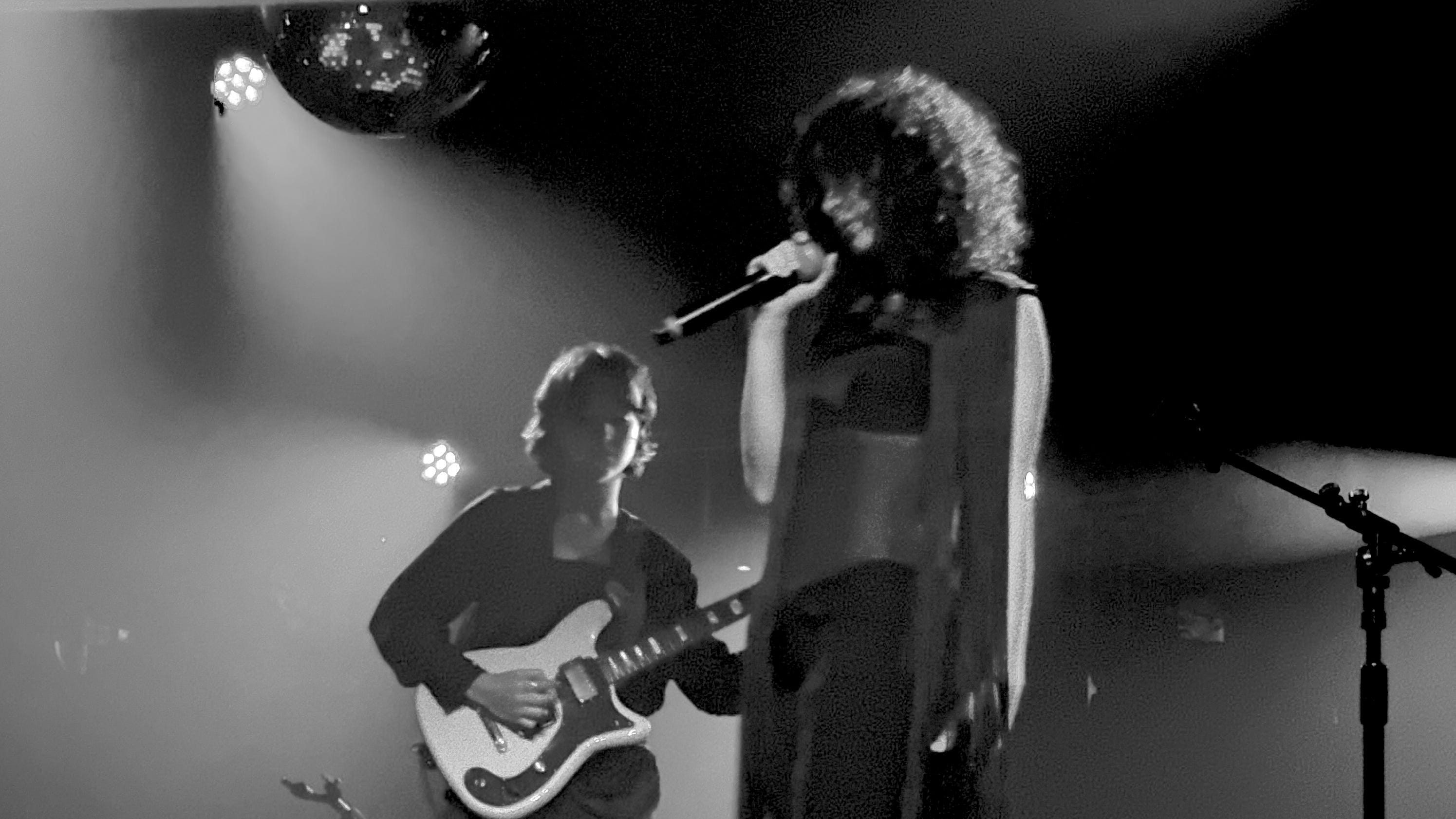
Not metaphorically.
Actually gasped.
It was immediately followed by disappointed groans.
I’ve heard audiences cheer for encores. I’ve heard people yell “One more!”
This wasn’t that.
It sounded like people realizing they had to leave a dream before they were ready.
After the show I had one question left. “How much of tonight was improvised?”
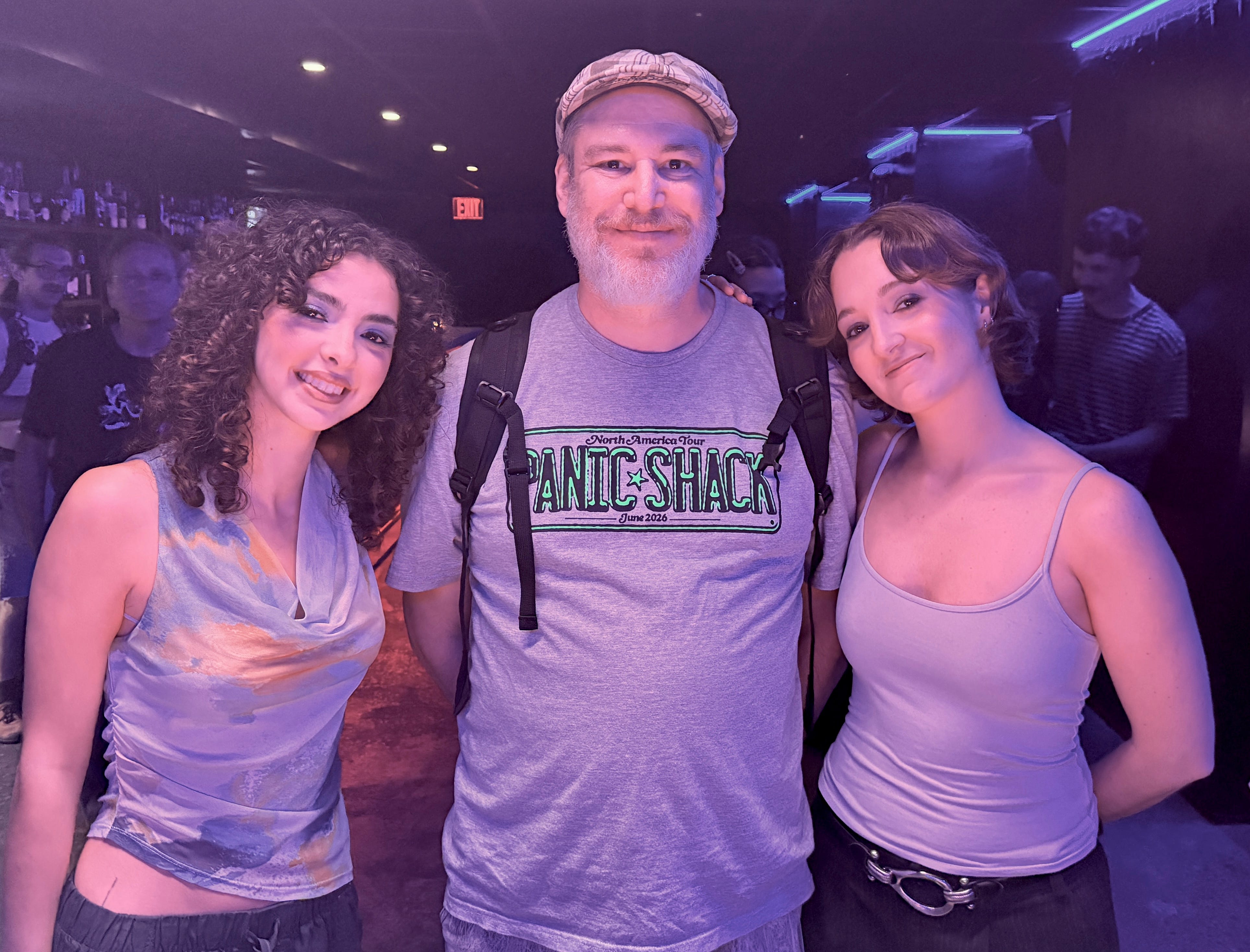
I wanted to know: was everything carefully rehearsed, or were they making it up as they went?
Jenna Pascale smiled and said it was a mixture of both. Some sections are carefully planned. Others are improvised.
That suddenly explained something I’d been watching all night. I wasn’t just watching two musicians.
I was watching two best friends.
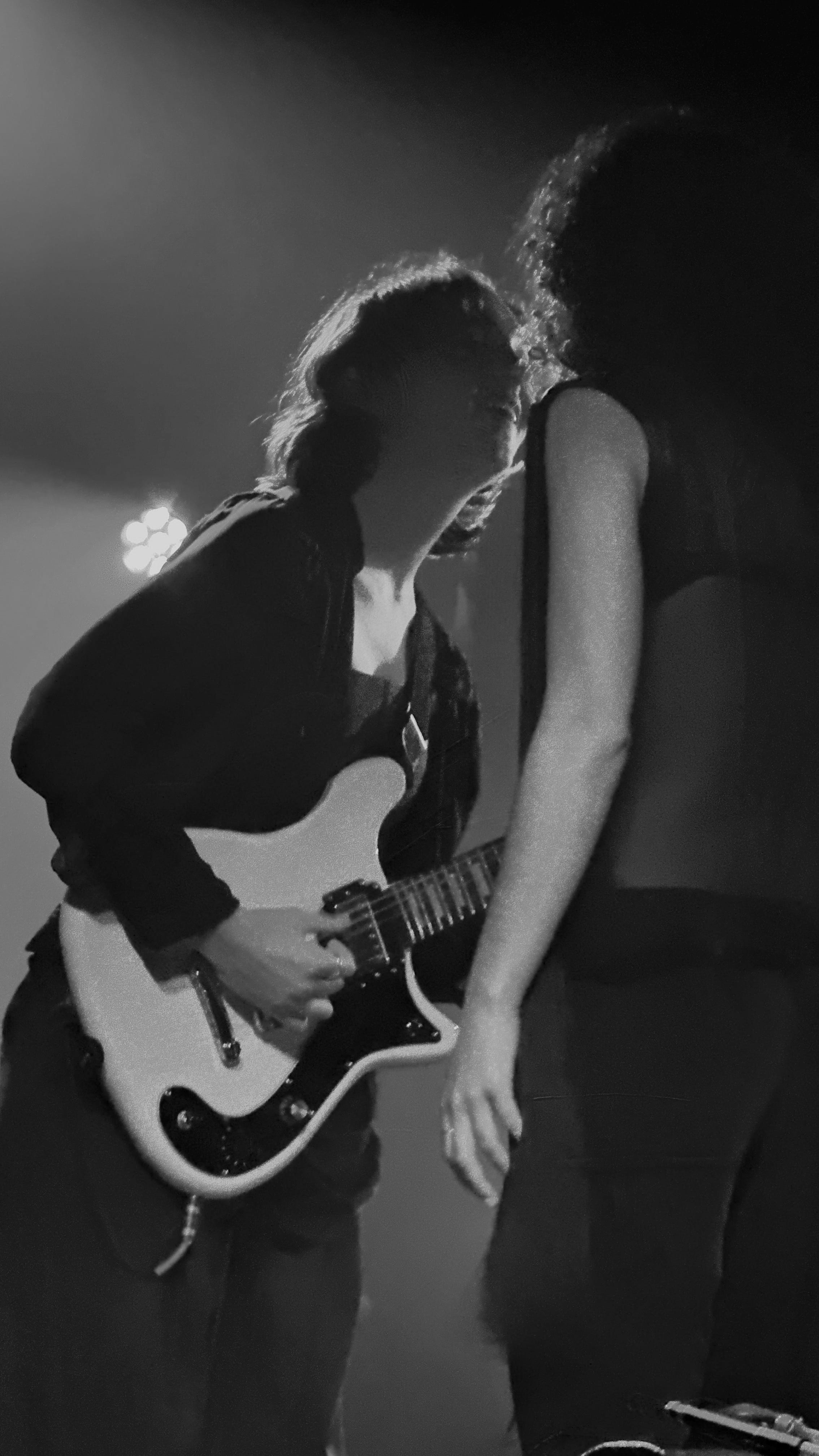
After the show, while talking to Jenna, she joked that sometimes she’ll look over at Sammi and worry she’d burst out laughing—the way close friends do at exactly the wrong moment.
That tiny confession explained everything.
The music never felt mechanical.
It felt lived in.
The rehearsed moments gave them somewhere to stand.
The improvised sections gave them somewhere to wander.
Maybe that’s why every performance feels different—not because they’re trying to reinvent the music every night…
but because they’re leaving room for surprise.
And surprise only works when you trust the person standing next to you.
You can hear that trust.
One thing I’ve realized since starting Scroll Stopper Club is that recordings tell you what a band sounds like.
Live shows tell you who they are.
Sometimes those are the same thing.
Sometimes they aren’t.
KatzPascale passed the test.
The mysterious atmosphere I heard through my headphones wasn’t something created in the studio.
The recording wasn’t creating the atmosphere.
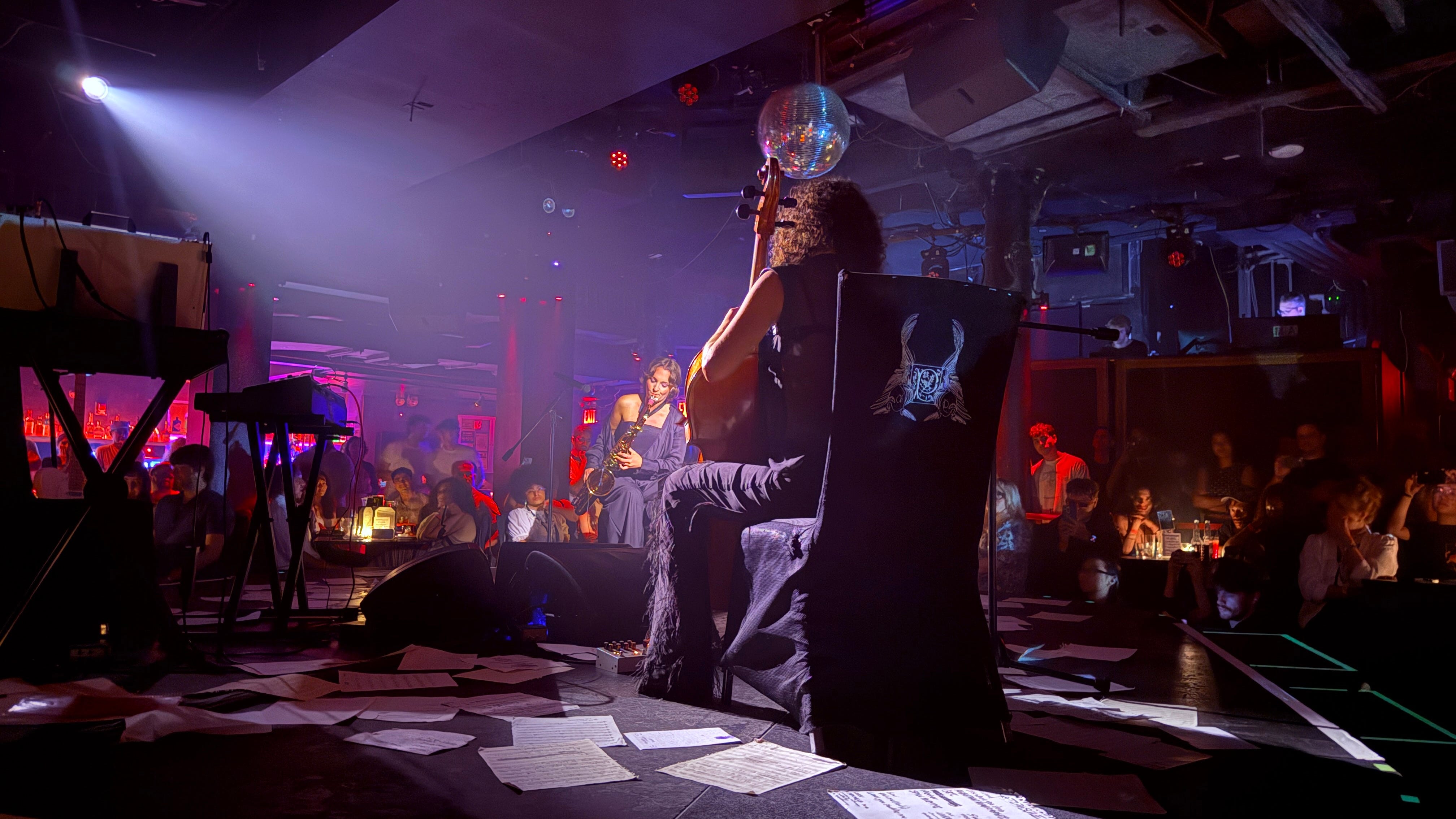
It was documenting it.
CASE STATUS
☑ Hypothesis Confirmed
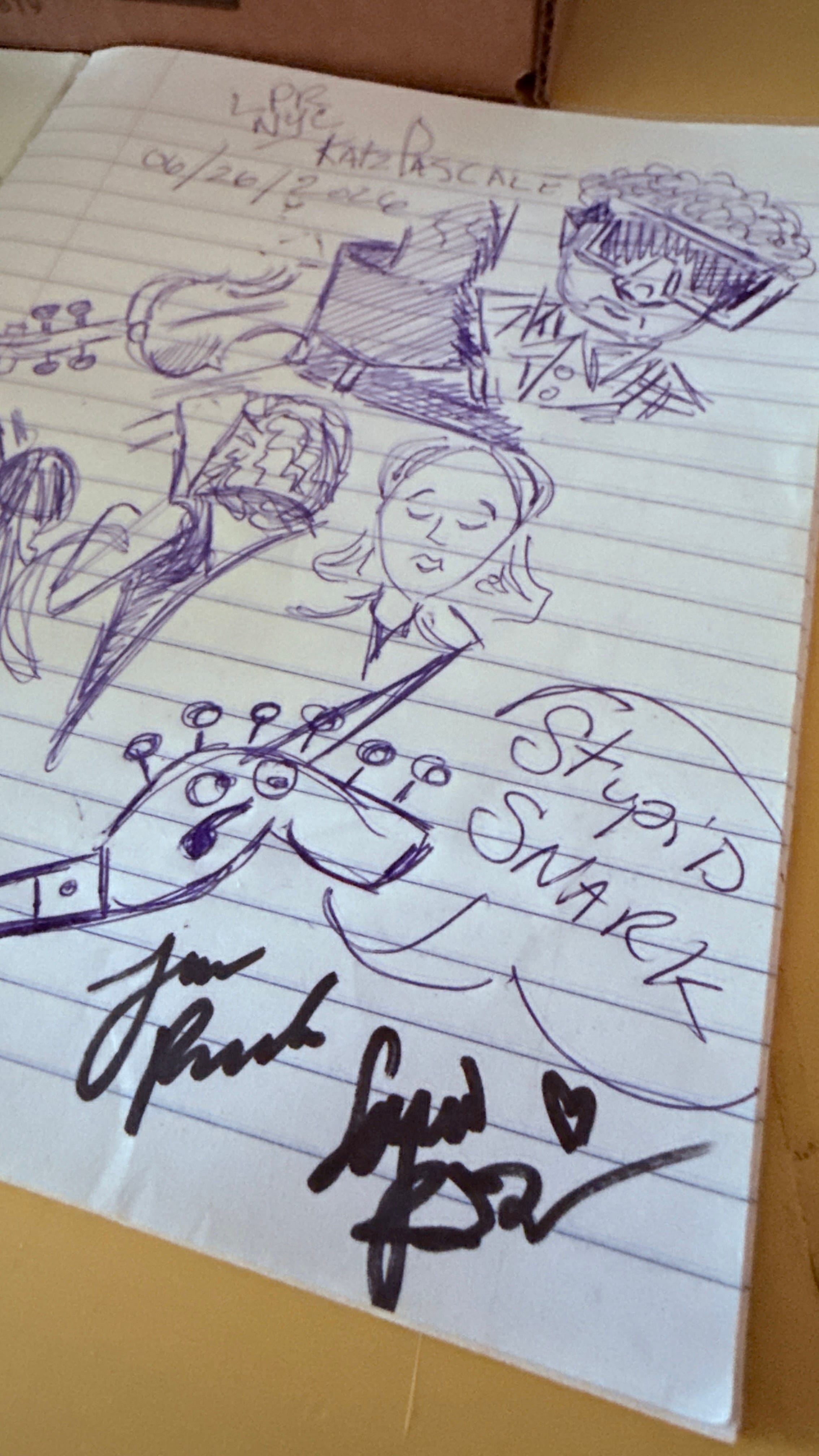
Findings
KatzPascale doesn’t simply perform songs.
They transform the room.
I’ve spent years thinking about atmosphere as something that happens after the music is finished. Production. Reverb. Lighting. Smoke machines. But KatzPascale reminded me that atmosphere isn’t something you add. It’s something you earn. It comes from trust, restraint, and leaving enough space for the audience to step inside the music. That’s a lesson I don’t think only musicians can use. I think every creative person can.
Some questions can only be answered by showing up.
New Question
How many other artists am I only half understanding because I’ve never seen them live?